
Sewer Line Repair in Beverly Farms, MA
Seventeenth-century antiques, Gilded-Age estates, and hundred-foot laterals through woodland and marsh — Beverly Farms demands camera-mapped, trenchless sewer work that preserves the grounds. Call (833) 713-2101.
- 24/7 emergency line
- Local North Shore specialists
- Camera inspection first
In short: Sewer line repair in Beverly Farms, MA 01915 starts with a camera inspection with locating — long estate laterals must be mapped before any repair is planned. Call (833) 713-2101 to schedule the survey.
Sewer Lines in Beverly Farms, MA 01915
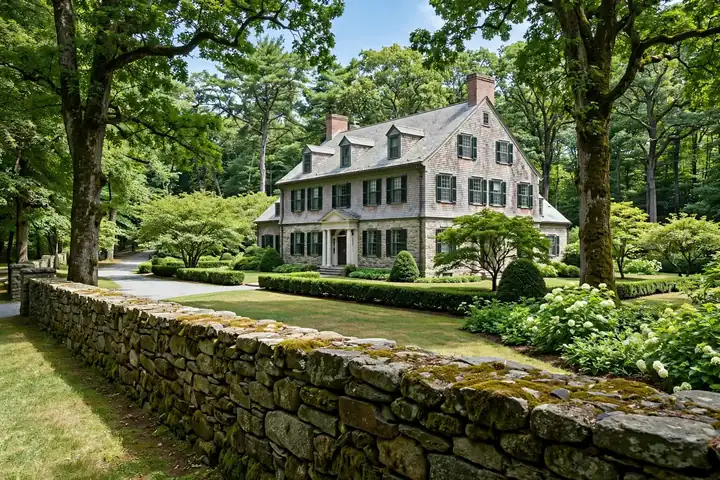
Beverly Farms is a historic seaside village where the sewer lines are as storied as the houses. A circa-1673 antique on Hale Street, the 1904 Guy Lowell-designed Beaux-Arts summer manor at 686 Hale Street, the 1925 grand estate known as Rose Ledge at 852 Hale Street — these properties drain through building sewers laid across centuries, many of them clay tile or older materials running 100 feet or more from house to street. One 1673-era listing confirms public sewer service at the curb, but the village's outskirts demand verification per address.
The setting shapes every repair. Tidal marsh and Chubb Creek frontage keep the water table high near the marsh, while wooded two-acre lots and rocky North Shore till define the inland ground. Hale Street's stone walls, mature trees, and conservation-adjacent land mean the path from house to street threads between features no owner will sacrifice. Repairs here are planned like surgery: camera with a locating sonde first, mapping the full run, then trenchless methods that preserve the walls, the specimen trees, and the setbacks.
Area Facts
- ZIP code
- 01915 (verified — Post Office at 36 West St, Branch Library at 24 Vine St)
- Housing stock
- Circa-1673 antique, 1904 Guy Lowell Beaux-Arts manor, 1925 Rose Ledge estate, classic and mid-century Colonials
- Era-typical pipe materials
- Clay tile or older stone/concrete (17th–19th century); cast iron and possible Orangeburg (1920s–60s); PVC (modern)
- Sewer vs septic
- Public sewer confirmed in-village; outskirts may be private septic — verify per address
- Soil & drainage
- Tidal marsh and Chubb Creek frontage; high water table near marsh; rocky North Shore till inland
- Landmarks
- Hale Street corridor, West Beach (private), Dix Park, Beverly Farms MBTA station, Essex County Greenbelt trails
Sewer Challenges in Beverly Farms
Distance is the defining challenge. On one- and two-acre wooded lots, the building sewer can run well over 100 feet from the house to the street — that is a hundred feet of clay-tile joints exposed to aggressive root systems from mature woodland, each joint a potential entry point. The camera footage from these long runs typically shows a pattern: sound pipe near the house, then progressive joint deterioration, root intrusion, and infiltration as the run approaches the marsh-influenced ground near the street.
Water is the second challenge. Tidal-marsh-adjacent groundwater rises through deteriorated clay bells during king tides and nor'easters, so a line that behaves in August can infiltrate heavily in October. The village's estate stock adds a third factor: stone walls, old specimen trees, and conservation setbacks constrain every repair path. Open trenching a 150-foot run through Olmsted-era landscaping and two-century-old stonework is simply not an option most owners will accept — which is why the realistic choices here are trenchless pipe bursting or lining, planned from a fully mapped camera survey.
The septic question must be settled first. While in-village listings confirm public sewer, outlying Beverly Farms properties may run private septic, and a failed building sewer feeding a septic tank is a different job than a town-sewer lateral — the tank, distribution box, and leach field all enter the picture. Verification per address, before the camera even goes in, avoids planning the wrong repair entirely.
How Sewer Service Works in Beverly Farms
Service here begins with the most thorough inspection in the fleet: a camera with a locating sonde traverses the entire run — however long — marking every defect's depth and position from above ground. On multi-acre lots this mapping is non-negotiable; you cannot plan a 200-foot repair without knowing where the pipe actually runs, where it passes near stone walls and specimen trees, and where conservation setbacks begin. The footage is reviewed with the owner, showing the pipe's material, the joint condition, and exactly which sections need intervention.
For the long clay runs with joint failure but sound barrels, cured-in-place lining is often the answer: it seals every joint against roots and tidal groundwater in one continuous barrier, installed from small access points that leave the walls, trees, and gardens untouched. Where the pipe has deformed — Orangeburg on mid-century lots, collapsed clay sections — pipe bursting replaces the line along the same corridor, again with minimal surface disturbance. Salt-air exposure near the shore gets a specific check: any exposed cast iron is inspected for accelerated corrosion. Every plan here is built around preservation — of the landscape, the stonework, and the property's historic character.
Scheduling respects the village rhythm. Work is planned to avoid the busiest beach-season weeks where access routes congest, and neighbors are notified when equipment will occupy shared drives. The goal is a repair the property never visibly suffered.
Streets and Landmarks We Serve in Beverly Farms
Local specialists serve the full village: the Hale Street historic corridor from the village center to Prides Crossing, including the landmark estates; West Street around the Post Office at 36 West Street; Vine Street by the Branch Library; the Dix Park area; the blocks near the Beverly Farms MBTA station on the Newburyport/Rockport Line; and the marsh-adjacent lanes toward Chubb Creek and the Essex County Greenbelt trailheads. Whether your property is a 17th-century antique or a 1961 colonial with salt-marsh views, the first step is the same: call (833) 713-2101, confirm your sewer type, and schedule the mapped inspection.
Estate-Length Laterals in Beverly Farms
Beverly Farms is a village of long driveways and longer sewer lines. The Hale Street corridor — the neighborhood's historic spine — is lined with antiques and Gilded-Age estates on one- and two-acre wooded lots, including a circa-1673 antique, a 1904 Guy Lowell-designed Beaux-Arts manor at 686 Hale St, and grand 1925 estates like Rose Ledge at 852 Hale St. On lots this size, the building sewer can run a hundred feet or more from the house to the street, and every clay-tile joint along that run is an invitation to the mature woodland root systems that make the village so beautiful.
The repair calculus on estate lots is different from a standard city lot. Open-trenching a 120-foot run means crossing stone walls, specimen trees, and manicured grounds — and in parts of the Farms, conservation setbacks near the Essex County Greenbelt trail land add another constraint. That is why camera inspection here always includes a locating sonde: the full run must be mapped before anyone chooses a method. Trenchless pipe bursting or lining then threads the repair along the existing corridor without disturbing what the property is known for.
One more local note: while village-center homes connect to the town system, some outskirts properties run private septic, so the first question on any Farms visit is confirming the disposal type. Homes near the tidal marsh at Chubb Creek also sit over a high water table that rises with king tides and nor'easters, pushing groundwater against deteriorated clay bells. Mention your street when you call (833) 713-2101 — on Hale Street, the likely pipe era is often known before the truck rolls.
Frequently Asked Questions
Why does my Beverly Farms line need locating, not just a camera?
Because estate laterals run 100+ feet through wooded lots, and the repair must thread between stone walls, specimen trees, and conservation setbacks. The locating sonde marks each defect's exact position and depth from above ground — without that map, no trenchless plan can be designed. Call (833) 713-2101 to schedule the mapped survey.
How do I know if my property is on town sewer or septic?
In-village Beverly Farms properties are generally on public sewer, but outlying lots may be private septic — and listings show both. Check your property records or water bill, or ask during the service call; the disposal type is confirmed per address before any repair is planned, because a septic-fed line is a different job.
Can trenchless methods handle a 200-foot run?
Yes — both lining and bursting are well suited to long runs; in fact, length is where trenchless methods save the most, since open-trenching 200 feet through landscaping and stone walls is prohibitive. The camera survey measures the exact length and condition first, and the liner or bursting plan is built to those measurements.
Will the work damage my stone walls or old trees?
The plan is designed specifically to avoid them. Lining needs only small access points; bursting needs two pits positioned away from walls and specimen trees. The mapped inspection shows exactly where the pipe runs relative to these features, so access is placed where it does the least harm — usually none at all to the walls and trees.
Does the tidal marsh really affect my sewer line?
Yes. Marsh-adjacent groundwater rises with tides and storms, and every deteriorated clay bell below that water level admits infiltration — sometimes dramatically during king tides and nor'easters. Lining seals the joints watertight against exactly this pressure, which is why it is the most-specified repair for marsh-edge properties.
My house is from the 1600s — can the line even be worked on?
Age alone is not a barrier; condition is. Antique properties typically have clay-tile or older-material building sewers that camera-inspect like any other line. The inspection shows what is actually there — material, joints, defects — and the trenchless plan is designed around the property's historic features, not through them.
Sewer Line Problems Don’t Wait. Neither Should You.
Call now and reach a local sewer line specialist serving Beverly, MA and nearby North Shore communities — 24/7.
(833) 713-2101Free to call · No obligation · 24/7 emergency line