
Sewer Line Repair in Downtown Beverly, MA
Nineteenth-century sewers under a living downtown — camera-mapped, trenchless repairs that protect the streetscape and keep businesses open. Call (833) 713-2101.
- 24/7 emergency line
- Local North Shore specialists
- Camera inspection first
In short: Sewer line repair in Downtown Beverly, MA 01915 starts with a camera inspection with locating — 19th-century laterals under commercial blocks demand precision. Call (833) 713-2101 to schedule.
Sewer Lines in Downtown Beverly, MA 01915
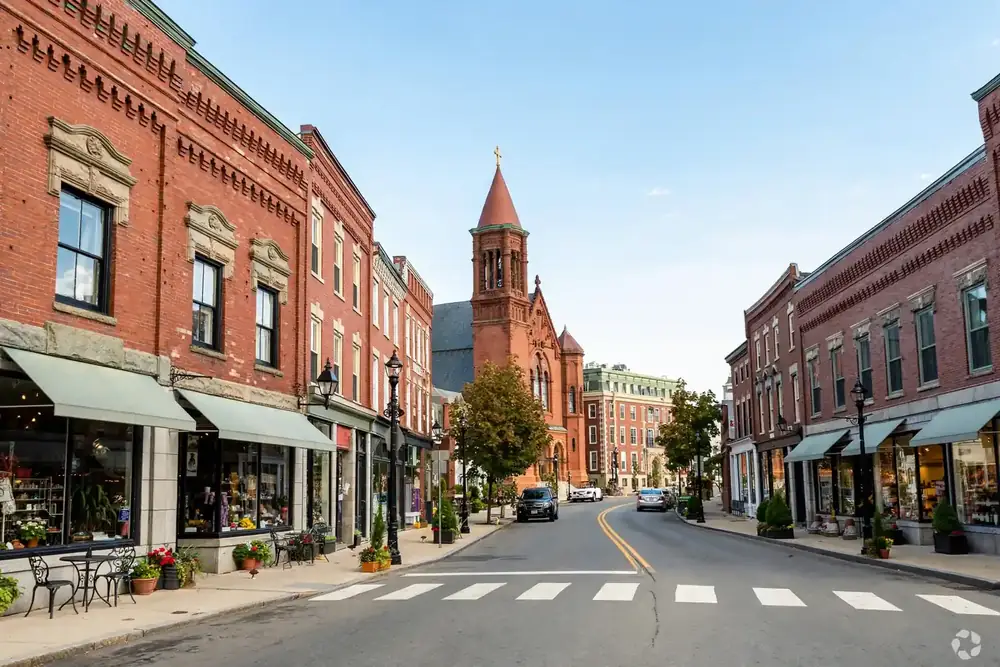
Downtown Beverly runs on some of the oldest live sewers in the fleet. The Beverly Center Business District — listed on the National Register in 1984 with more than 100 significant buildings along Cabot, Church, and Dane Streets — grew up in the late 19th and early 20th centuries, when clay tile and even brick were the building sewers of the day. Converted mill and warehouse apartments, dense 2–3 family houses from the railroad and shoe-industry boom, and 2025-built apartment communities like the 60-unit building at 6 Rantoul Street now share those blocks.
The combination is unique: 19th-century commercial-grade infrastructure serving 21st-century residential density, under sidewalks, storefronts, and the rail corridor. Shared laterals serve multi-unit conversions where nobody documented which line is whose. Access is choked by the urban fabric itself. Here the approach is downtown-grade: camera inspection with locating as the only sane first step, and trenchless methods that protect the storefront streetscape open-cut would destroy.
Area Facts
- ZIP code
- 01915 (verified — Beverly Depot at 12 Park St, downtown addresses)
- Housing stock
- Late-19th/early-20th century commercial blocks; converted mill/warehouse apartments; 2–3 family houses; 2025-built apartments
- Era-typical pipe materials
- Original clay or even brick sewers; cast-iron DWV; layered systems in conversions (clay at street, newer in-building)
- Infrastructure
- Municipal sewer universal downtown; possible combined-sewer-era infrastructure in oldest blocks
- Constraints
- Sidewalks, storefronts, rail corridor; shared laterals; dense urban lots
- Landmarks
- Cabot Street; Beverly Depot (1839/1897, ~30 weekday Boston departures); The Cabot theater; John Cabot House (1781); Beverly Common; City Hall
Sewer Challenges in Downtown Beverly
Age is the first challenge. Clay — and possibly brick or combined-era — sewers under the Cabot Street blocks have endured a century of settlement, street reconstruction, and utility work overhead. Joints that were packed when the district was new are now open seams admitting roots from street trees and groundwater from the harbor-adjacent water table. The camera footage from downtown lines reads like archaeology: layered repairs, abandoned connections, offsets where the street above was rebuilt.
Shared infrastructure is the second. Multi-unit conversions — the dense 2–3 family houses, the converted mills — often share laterals or run closely spaced individual lines with no documentation. One tenant's backup can originate in a neighbor's section; a restaurant's grease can choke a line serving apartments above. Camera inspection with locating untangles responsibility before anyone pays for work, mapping which fixtures drain where and whose section holds each defect.
Access is the third, and it shapes everything. Open-cut excavation under Cabot Street means tearing up sidewalk, disrupting storefronts, and working around the rail corridor — the streetscape cost dwarfs the pipe cost. Trenchless methods are not a convenience here; they are the only approach that respects the district. Lining renews clay laterals from existing access points; bursting replaces failed runs through small pits. The historic-district character — and the businesses operating above — demand it.
How Sewer Service Works in Downtown Beverly
Downtown visits are planned like the commercial operations they often are. The camera inspection comes first, always with locating: every defect is mapped by depth and position against the urban fabric above, and shared laterals are traced fixture by fixture so responsibility is factual, not argued. For businesses, inspections are scheduled off-hours — before opening, after close — so the diagnosis never interrupts trade.
The repair plan is built around the streetscape. Lining is the workhorse: it renews century-old clay without touching sidewalk, storefront, or street, sealing joints against roots and the harbor-adjacent water table in one watertight barrier. Bursting handles deformed or collapsed runs through small pits positioned to avoid utilities, which are located and marked before anything else — downtown's subsurface is crowded with a century of infrastructure. Open-cut is reserved for cases where the path is lost, and even then the excavation is surgical, permitted, and restored to the district's standard.
Coordination extends beyond the property line: sidewalk and street-opening permits where applicable, neighbor and tenant notification, business-hour scheduling. Downtown sewer work succeeds on logistics as much as technique, and both are handled upfront.
Streets and Landmarks We Serve in Downtown Beverly
Local specialists serve the full downtown: the Cabot Street commercial corridor and the Beverly Center Business District blocks along Church and Dane Streets; the Rantoul Street apartment corridor; the Beverly Depot area at 12 Park Street with its 500-space garage and Newburyport/Rockport Line junction; and the civic cluster around Beverly Common, City Hall, the 1781 John Cabot House, and The Cabot theater. Building owners, property managers, business operators, and downtown residents all start the same way — call (833) 713-2101 for the camera-and-locating inspection that maps the line before anything is authorized.
Downtown's Oldest Live Sewers
Downtown Beverly runs on some of the oldest working sewers in the service area. The Beverly Center Business District — on the National Register since 1984 with more than a hundred significant buildings along Cabot, Church, and Dane Streets — is a late-19th and early-20th century commercial core, and the building sewers beneath those blocks are the same vintage: original clay tile, possibly even brick or combined-era lines on the oldest blocks, with cast-iron DWV inside. Converted mill and warehouse apartments layer modern plumbing onto those original laterals, so a single building can run new PVC inside and century-old clay at the curb.
Shared and closely spaced laterals are the downtown complication. Dense two- and three-family houses from the railroad and shoe-industry boom, commercial blocks with multiple tenants, and converted industrial buildings often share lot lines, driveways, and — nobody quite remembers — sewer connections. Camera inspection with a locating sonde is the only sane first step: it maps each lateral's actual path, marks it on the surface, and settles responsibility before any repair conversation begins. Newer construction like the 2025 apartment community at 6 Rantoul Street runs modern PVC and mostly needs maintenance, not repair — another distinction only the camera makes reliably.
Access is the second complication. Downtown laterals run beneath sidewalks, storefront frontage, and the rail corridor around Beverly Depot — opened in 1839, rebuilt in 1897, on the National Register since 1979, and still running roughly thirty weekday Boston departures from its 500-space garage. Open-cut trenching through that streetscape is disruptive and often restricted; trenchless lining or bursting renews the line from small access points and protects the commercial frontage, the brick sidewalks, and landmarks from The Cabot theater to the 1781 John Cabot House. Downtown sewer laterals are commercial-grade problems in residential clothing — diagnose them like it. Call (833) 713-2101.
Frequently Asked Questions
Can you work on sewers under Cabot Street without tearing up the sidewalk?
Yes — that is exactly what trenchless methods are for. Lining renews the line from existing access points with no excavation at the surface; bursting needs only small pits positioned to avoid the streetscape. The camera-and-locating inspection first maps the line's exact path under the urban fabric. Call (833) 713-2101 to plan it.
Our building shares a lateral with the neighboring property — who pays?
Camera inspection with locating comes first: it maps which fixtures drain to which lateral and where each defect lies, giving both owners a factual basis. Responsibility typically follows the property's plumbing layout and any agreements between owners. The footage replaces argument with evidence.
How old are downtown Beverly's sewer lines?
Many date to the district's late-19th and early-20th century build-out — clay tile and possibly brick or combined-era sewers with a century of settlement behind them. Conversions layer newer in-building systems atop the original clay at the street. The camera reveals the actual stratigraphy of your building's line in one visit.
Will sewer work disrupt my business?
It is planned not to. Inspections are scheduled off-hours, trenchless repairs avoid surface disruption entirely, and the work plan accounts for your operating calendar. You will know the full schedule — and the full extent of any disruption — before work begins.
What about the rail corridor near the Depot?
The rail corridor constrains excavation near it, which is another reason trenchless methods dominate downtown: lining and bursting work within the existing pipe corridor without the open cuts that rail-adjacent work prohibits. Utility location before any work accounts for the corridor's infrastructure.
Do downtown buildings need different maintenance than houses?
Often, yes. Commercial and mixed-use lines — especially with food service — need scheduled jetting and camera checks on business-aware intervals, and shared laterals need coordinated maintenance between owners. The baseline inspection sets the program; off-hours scheduling keeps it invisible to tenants and customers.
Sewer Line Problems Don’t Wait. Neither Should You.
Call now and reach a local sewer line specialist serving Beverly, MA and nearby North Shore communities — 24/7.
(833) 713-2101Free to call · No obligation · 24/7 emergency line