
Sewer Line Repair in Montserrat, MA
Mid-century laterals at 60–70 years old — Montserrat's commuter pocket needs camera inspections before the basement finish, and trenchless fixes for the era's pipe. Call (833) 713-2101.
- 24/7 emergency line
- Local North Shore specialists
- Camera inspection first
In short: Sewer line repair in Montserrat, MA 01915 starts with a camera inspection of the mid-century lateral — cast iron and Orangeburg now 60–70 years old. Call (833) 713-2101, ideally before you finish the basement.
Sewer Lines in Montserrat, MA 01915
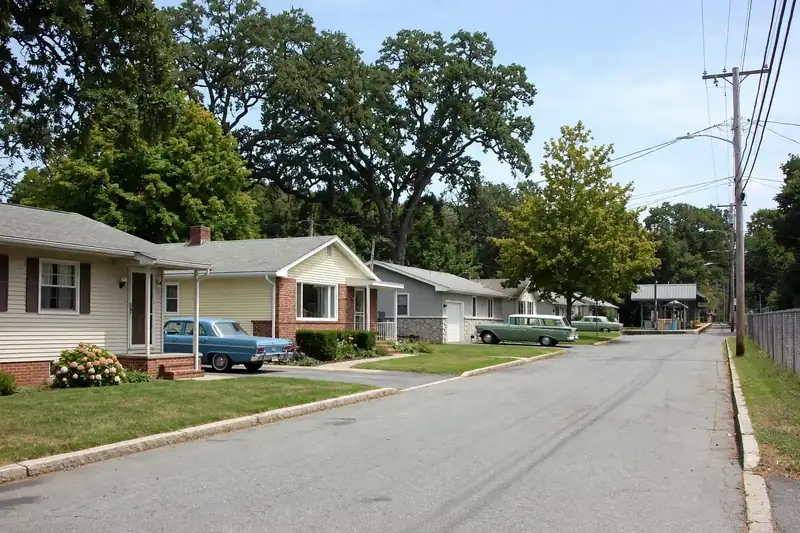
Montserrat is Beverly's mid-century commuter pocket: a loosely defined neighborhood around the Montserrat MBTA station — opened in 1874, now a 117-space park-and-ride on the Newburyport/Rockport Line with easy Route 128 access — where homeowners bought for the commute, not the plumbing. The housing stock is predominantly mid-20th century along the Essex Street (MA Route 22) corridor, and that era points squarely at the watch list: cast-iron and Orangeburg laterals now 60 to 70 years old.
Orangeburg's design life is long past at this age, and cast iron of the era is well into its corrosion decades. The neighborhood's message is preventive: the camera inspection before the basement finish, before the landscaping investment, before the small problem becomes the expensive surprise. Inland glacial till, rocky soils, and full freeze-thaw exposure shape the failure modes — frost heave working joints, roots pressing on fiber pipe — and the inspection reads them all in one visit.
Area Facts
- ZIP code
- 01915 (verified — Montserrat MBTA station at 180 Essex St)
- Housing stock
- Mid-20th-century stock along the Essex St/Route 22 corridor; commuter-oriented pocket
- Era-typical pipe materials
- Cast iron and Orangeburg (60–70 years old — the watch items); clay tile in older pockets
- Soil & drainage
- Inland-central Beverly; glacial till, rocky soils; no tidal influence
- Weather
- Inland New England freeze-thaw; frost heave in till soils
- Landmarks
- Montserrat MBTA station (1874, 117-space park-and-ride); Essex St (MA Route 22); Montserrat College of Art nearby; Route 128 access
Sewer Challenges in Montserrat
Age is the entire story. The neighborhood's cast-iron and Orangeburg laterals were installed when the houses were new — 60 to 70 years ago — and both materials are now in their failure decades. Orangeburg, the bituminized fiber conduit, ovalizes under soil load and root pressure; at this age, deformation is the expectation, not the exception. Cast iron corrodes from within, scaling and pitting until the wall thins. The camera footage from Montserrat lines shows the era's signature: egg-shaped fiber pipe, tuberculated iron, joints opened by frost heave in the till.
The commuter-pocket character adds the timing dimension. Homeowners here invested in location — the station, the Route 128 access — and many are now investing in the houses themselves: finished basements, renovated kitchens, landscaping. A collapsed Orangeburg lateral under a newly finished basement is the most expensive surprise in the neighborhood, because the repair then involves not just the pipe but the finished space above it. The preventive inspection — camera before the basement project — is the cheapest insurance in Montserrat.
Frost heave is the annual force. Inland till moves with the freeze-thaw cycle, working the joints of aging pipe every winter. Combined with root pressure from the neighborhood's mature plantings, the heave cycle opens joints for roots and infiltration year after year. The inspection reads this history directly: offset joints, root masses, the telltale seasonal pattern.
How Sewer Service Works in Montserrat
The visit is built around the era's two questions: is the pipe deformed, and how far has it gone? The camera travels the lateral while the technician quantifies what the footage shows — measuring ovalization in Orangeburg, mapping corrosion and scale in cast iron, locating every offset joint. Deformation beyond lining's tolerance routes to pipe bursting; joint damage in still-round pipe routes to lining; sound pipe with buildup gets cleaning and a monitoring plan. The measurement, not the assumption, decides.
For the deformed Orangeburg that defines the neighborhood's risk, pipe bursting is usually the answer: the bursting head fractures the fiber pipe outward while pulling in fused HDPE — optionally upsized — through two small pits, replacing the line in place without trenching the lot. For cast iron with wall damage but sound shape, cured-in-place lining restores a smooth, sealed interior. The pre-basement-finish inspection is offered explicitly: a camera survey before the renovation, so the pipe's condition is known before it is buried under finished space.
Every Montserrat plan includes the forward look: what the footage shows today, what it will likely show in five years, and which intervention — now or planned — fits the owner's timeline. The neighborhood's pipes are aging on a predictable curve; the service makes that curve visible and manageable.
Streets and Landmarks We Serve in Montserrat
Local specialists serve the full Montserrat pocket: the Essex Street (MA Route 22) corridor; Spring Street; the blocks around the Montserrat MBTA station at 180 Essex Street; the streets toward Montserrat College of Art; and the commuter belt with easy Route 128 access, between the station and North Beverly. Homeowners planning basement finishes, renovations, or simply prudent about 60-year-old pipe all start the same way — call (833) 713-2101 for the camera inspection that reads your lateral's era before it surprises you.
Before You Finish the Basement: Montserrat's Orangeburg
Montserrat is a commuter pocket with a plumbing clock ticking. The loosely defined neighborhood around the Montserrat MBTA station — opened in 1874 on the Newburyport/Rockport Line, now a 117-space park-and-ride with easy Route 128 access — is mid-20th-century stock along the Essex Street and Route 22 corridor, with average home values in the mid-six figures. That era points squarely at the watch items: cast-iron and Orangeburg laterals now sixty to seventy years old, with fiber conduit well past the point where it holds its shape under root pressure and frost-heaved till.
The neighborhood's message is preventive, and it has a specific audience: anyone planning to finish a basement. Homeowners near the station bought for the commute, not the plumbing — but a collapsed Orangeburg lateral under a newly finished basement is the most expensive surprise this neighborhood produces, because the repair then means cutting through finished space or bursting from outside under it. The sequence that avoids the disaster is simple: camera inspection first, mapping the lateral's material and condition; finish the basement second, with confidence; or repair the line first, while the basement is still unfinished and access is easy.
Inland-central Beverly gives Montserrat full freeze-thaw exposure without tidal complications — glacial till, rocky soils, frost heave working every joint. Older pockets of clay tile add root intrusion to the Orangeburg deformation risk, so the inspection checks both. From the station blocks between Spring and Essex Streets to the corridors toward North Beverly and the Montserrat College of Art area, the advice is the same: know your pipe before you invest in the space above it. Call (833) 713-2101 and ask for a pre-renovation inspection.
Frequently Asked Questions
Should I inspect my sewer before finishing the basement?
Yes — emphatically. A collapsed lateral under a finished basement multiplies the repair's cost and disruption enormously. A camera inspection before the renovation tells you the pipe's condition while it is still accessible, letting you address any issue before it is buried under finished space. Call (833) 713-2101 to schedule the pre-project survey.
How long do Orangeburg and cast-iron laterals last?
Orangeburg's design life is measured in decades — and Montserrat's 60-to-70-year-old fiber pipe is past it, with deformation the expectation. Cast iron lasts longer but corrodes steadily; at this age, scaling and pitting are normal findings. The camera shows where your specific line sits on those curves.
Can deformed Orangeburg be saved without replacement?
No. Once Orangeburg has ovalized, it has lost the round, stable shape that lining requires — no cleaning or coating restores it. Pipe bursting replaces it in place through two small pits, which is the right method for the neighborhood's housing era.
What does frost heave do to my lateral?
Inland till moves with every freeze-thaw cycle, rocking shallow pipe and working joints open — particularly at the foundation exit. Over 60-plus years, that annual movement is a major contributor to the offset joints and root entry points the camera finds. Proper depth and bedding protect new work; the inspection shows what heave has done to the old.
Is the whole neighborhood at risk, or just some homes?
The era risk is neighborhood-wide — mid-century laterals are aging everywhere here — but individual condition varies with soil, trees, loading, and maintenance history. The camera inspection is what separates a line with years left from one planning its failure. Era predicts the risk; footage confirms the reality.
What if the inspection finds my line is fine?
Then you have valuable certainty — especially before a basement finish or landscaping investment. The footage becomes your baseline, and a monitoring interval is set from what it shows. A clean bill of health on 60-year-old pipe is news worth having.
Sewer Line Problems Don’t Wait. Neither Should You.
Call now and reach a local sewer line specialist serving Beverly, MA and nearby North Shore communities — 24/7.
(833) 713-2101Free to call · No obligation · 24/7 emergency line