
Sewer Line Repair in Ryal Side, MA
Beverly's infiltration capital: 1940s clay tile against a tidal river — Ryal Side needs infiltration-first inspections and watertight trenchless repairs. Call (833) 713-2101.
- 24/7 emergency line
- Local North Shore specialists
- Camera inspection first
In short: Sewer line repair in Ryal Side, MA 01915 starts with a camera inspection that checks infiltration at every clay joint — the river-influenced water table is the constant factor. Call (833) 713-2101 to schedule.
Sewer Lines in Ryal Side, MA 01915
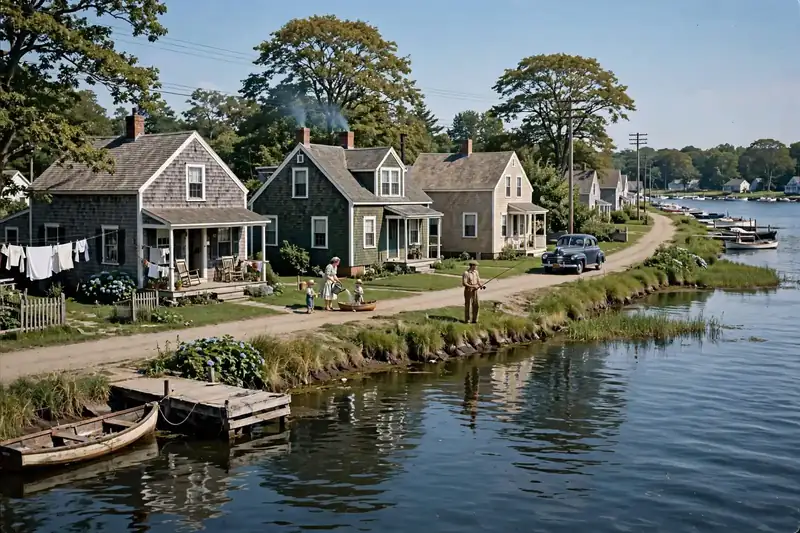
Ryal Side is Beverly's Danvers River waterfront neighborhood: 1,694 homes with a median year built of 1940, mixing mid-century Capes and colonials with 1962 raised ranches like the example at 12 Adams Avenue. The river defines the streets — Kernwood Avenue, Fosters Point, Marion Avenue, Gregg Street, Adams Avenue — and it defines the sewers too.
This is the infiltration capital of Beverly. 1940s homes on clay tile along a tidal river: every failed clay joint below the river-influenced water table admits groundwater, and riverside tree roots — willows, maples — aggressively seek the nutrient-rich flow. The median sale price near the three-quarter-million mark reflects an affluent, walkable, close-knit community; Ayers/Ryal Side Elementary serves its families; downtown Beverly and Beverly Depot are minutes away. And beneath it all, the river keeps the ground wet and the joints working.
Area Facts
- ZIP code
- 01915 (verified — listings at 16 Marion Ave, 28 Gregg St, 86 Kernwood Ave, 12 Fosters Point)
- Housing stock
- 1,694 homes; median built 1940; mid-century Capes and colonials; 1962 raised ranches (12 Adams Ave)
- Era-typical pipe materials
- Clay tile laterals + cast-iron DWV (1940-median stock); cast iron/PVC transition (1960s raised ranches)
- Setting
- Danvers River waterfront; riverine high water table; marine clays near shore; flood exposure on lowest lots
- Basements
- Full basements typical of the era; daylight lower levels common in raised ranches
- Landmarks
- Kernwood Ave, Fosters Point, Marion Ave, Gregg St, Adams Ave; Danvers River waterfront; Ayers/Ryal Side Elementary
Sewer Challenges in Ryal Side
Infiltration is the headline — the river guarantees it. The Danvers River's tidal influence keeps the water table high along the waterfront streets, and every failed clay joint below that level admits groundwater continuously. The camera footage from Ryal Side lines shows the infiltration signature at its clearest: weeping joints, standing water in the line, staining patterns that track the river's level. Inspections here are scheduled with attention to tide and river level, because infiltration shows best at high water — and the repair plan should see the joints at their worst.
Roots are the second force. Riverside willows and maples are famously aggressive moisture-seekers, and the 1940s clay joints — eighty-plus years old, opened by settlement in marine clays — are exactly the entries they exploit. The combination is the neighborhood's signature: infiltration plus root intrusion at the same joints, each worsening the other as roots wedge openings wider for more water. Raised ranches add the daylight-basement dimension: living space at the sewer's level, where backups and seepage arrive where they hurt.
Flood exposure on the lowest lots completes the picture. Nor'easter storm surge can push river water up against the waterfront streets, and spring freshets saturate the riverside soils — seasonal peaks atop the constant background infiltration. The lines here do not just carry wastewater; they bail against the river.
How Sewer Service Works in Ryal Side
The inspection is infiltration-first by design. The camera travels the lateral with the river in mind — timed when the water table is high — documenting every weeping joint, every root mass, every infiltration stain. The locating sonde marks defects against the waterfront lots above, accounting for the marine clays and the flood-exposed low ground. Homeowners see the river's signature in their own pipe on the monitor: the joints that admit it, the roots that widen them.
Lining is the natural fix: the cured epoxy liner is a continuous watertight barrier that seals the entire joint system against the river — addressing infiltration and root intrusion together, installed from small access points without disturbing the waterfront lots. Where the camera shows deformation or collapse, pipe bursting replaces the line along the same corridor. Sound lines with buildup get professional cleaning, and the footage sets the maintenance interval with the river's seasonal pattern in mind.
Every Ryal Side plan carries the water-table reality explicitly: the repair must hold against the river's pressure, not just normal groundwater. Lining and bursting both deliver watertight results — the jointless, sealed line is the answer to a river that never stops pushing.
Streets and Landmarks We Serve in Ryal Side
Local specialists serve the full Ryal Side waterfront: Kernwood Avenue, Fosters Point, Marion Avenue, Gregg Street, and Adams Avenue along the Danvers River; Hayes Avenue, Ashton Street, Elizabeth Avenue, and Giles Avenue on the inland blocks; the neighborhoods around Ayers/Ryal Side Elementary; and the streets stepping toward downtown Beverly and Beverly Depot, minutes away. Waterfront or inland block, the first step is the infiltration-aware inspection — call (833) 713-2101 and mention the river; the inspection will be timed to see it at its highest.
Timing the Tide: Ryal Side's Infiltration Capital
Ryal Side is the infiltration capital of Beverly, and the river sets the schedule. The waterside family neighborhood — median year built 1940, some 1,694 homes, streets like Kernwood Avenue, Fosters Point, Marion Avenue, and Gregg Street running along the Danvers River — sits on 1940s clay tile with cast-iron DWV: the 1962 raised ranch at 12 Adams Avenue is typical of the era band. Every failed clay joint below the river-influenced water table admits groundwater, and riverside tree roots — willows and maples that thrive on the nutrient-rich flow — aggressively seek the line. Infiltration here is not a side effect; it is the primary failure mode.
That fact changes how inspections get scheduled. Infiltration shows best at high water — when the river and the water table are up, the camera sees groundwater visibly entering through failed joints, and the footage documents exactly which bells are admitting flow. A camera survey timed with tide and river level, after a wet stretch or near high tide, gives the most honest picture of the line's condition; the same line inspected at low water can look deceptively sound. When you call, mention the river — the inspection gets planned around the water, not just the calendar.
The fix follows the diagnosis. Lining is the natural answer for Ryal Side because it seals the entire joint system against the river in one continuous watertight barrier — every bell, every root entry, every seep, closed at once, installed without trenching through the riverine clays or disturbing the walkable, close-knit blocks the neighborhood is known for. Where the camera finds collapse rather than joint failure, bursting replaces the line along the same corridor. From the Ayers/Ryal Side Elementary streets to the waterfront blocks minutes from downtown Beverly and Beverly Depot, the river is always part of the estimate. Call (833) 713-2101.
Frequently Asked Questions
Why do you call Ryal Side the infiltration capital?
Because 1940s clay-tile laterals meet a tidal river's water table: every failed joint below the river-influenced level admits groundwater continuously. No other Beverly neighborhood pairs that pipe age with that water pressure so directly. Call (833) 713-2101 for an inspection timed to high water.
Should the inspection really be timed with the tide?
When infiltration is the suspected finding, yes — joints admit the most water at high river level, so the camera sees the problem at its worst and the repair plan is built on the full evidence. It is a legitimate diagnostic strategy, not a gimmick.
Will lining hold against river pressure?
Yes. The cured epoxy liner is a continuous watertight structural barrier — it seals every joint against infiltration regardless of the water table's height. That watertightness is precisely why lining is the natural fix for riverfront clay laterals.
Are the riverside trees a problem for my line?
Willows and maples along the river are aggressive root-seekers, and 1940s clay joints are their entries. The camera maps intrusion joint by joint; clearing manages it and lining seals every entry permanently. The riverside landscape stays; the joints get sealed.
My raised ranch has a daylight basement — extra risk?
It puts living space at the sewer's level, so backups and seepage arrive where they cost most — which makes the inspection and the watertight repair more valuable, not the risk itself greater. The plan accounts for protecting the lower level explicitly.
What about flooding during nor'easters?
Storm surge and freshets add seasonal peaks to the background infiltration, and the repair must handle both. The watertight lined or burst line handles the peaks as well as the background — but during an active flood-driven backup, the emergency guidance applies first: stop water use and call (833) 713-2101.
Sewer Line Problems Don’t Wait. Neither Should You.
Call now and reach a local sewer line specialist serving Beverly, MA and nearby North Shore communities — 24/7.
(833) 713-2101Free to call · No obligation · 24/7 emergency line