
Tree Root Removal in North Beverly, MA
75-year-old clay at end of life under mature tree canopies — the North Beverly reality behind every 01915 Tree Root Removal call. Camera-first root removal, local crew: (833) 713-2101.
- Serving North Beverly, MA 01915
- Camera-first diagnosis
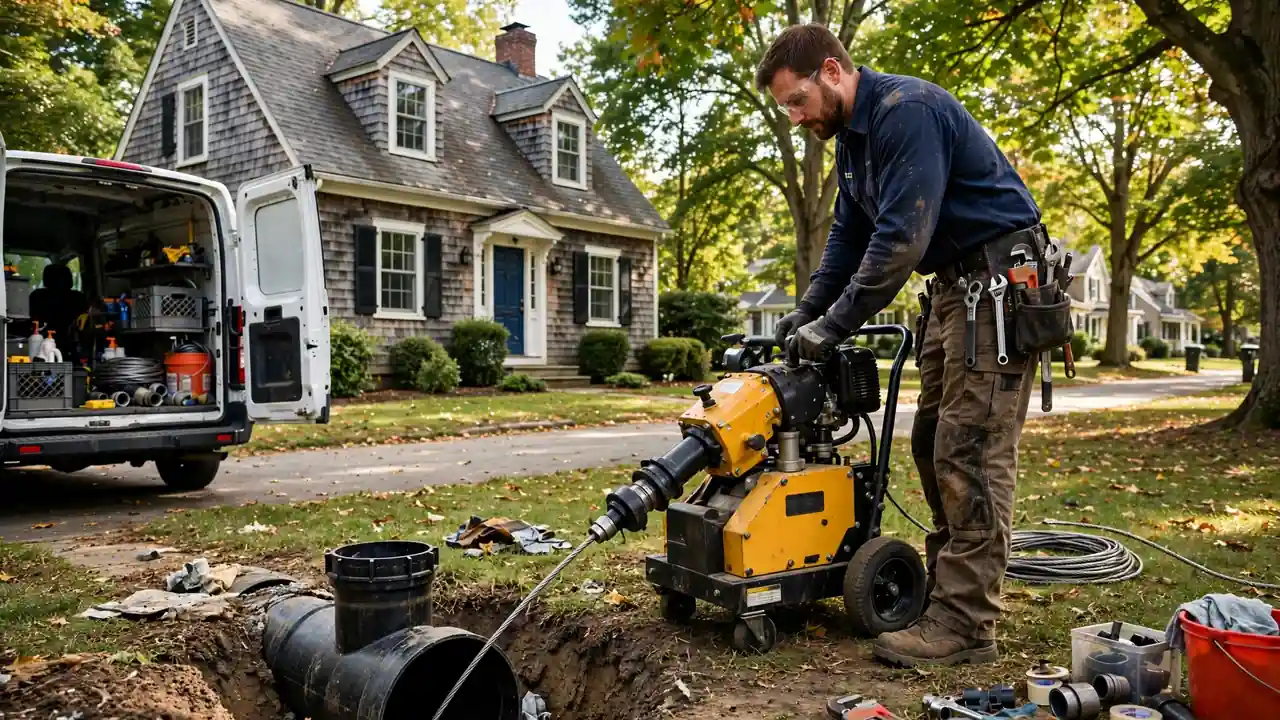
In short: For North Beverly (01915), Tree Root Removal means working original 75-year-old clay at the end of its service life on the 1949-typical stock; Orangeburg risk on 1960s-70s homes in ground that is inland glacial till and drumlin terrain with full frost exposure. Root removal begins at (833) 713-2101 with a camera read — diagnosis before tools, on every North Beverly visit.
Tree Root Removal in North Beverly, MA 01915
Most North Beverly Tree Root Removal calls share one pattern: 75-year-old clay at end of life under mature tree canopies. North Beverly homeowners notice the 01915 symptom — slow drains, gurgling, a backup after rain — while the North Beverly cause built for years at the joints. Tree Root Removal in North Beverly puts a 01915 camera on that cause instead of treating the symptom twice.
North Beverly station, Beverly High School and North Beverly Elementary is the North Beverly scenery; the lateral tells its own 01915 story. In North Beverly, mature suburban tree canopies pressing roots into clay joints at end of life — so Tree Root Removal in North Beverly that ignores the trees gets called back. Every 01915 root removal visit maps North Beverly root pressure, reads the joints, and only then prescribes.
There is no generic Tree Root Removal in North Beverly because no two North Beverly laterals match: typical home built in 1949: 1940 Cape Cods, mid-century homes and 1970s stock on suburban inland lots. A 01915 address gets a per-property root removal read — North Beverly camera footage, joint by joint — before any 01915 method is named, which is why North Beverly neighbors can need different fixes for the same symptom.
How North Beverly's local conditions change root removal
The North Beverly camera has a favorite sentence: it is the pipe era. The North Beverly cutting head is sized to the 01915 pipe the camera measured, because an oversized cutter in original 75-year-old clay at the end of its service life on the 1949-typical stock; Orangeburg risk on 1960s-70s homes damages the North Beverly joints it was meant to save during root removal. Knowing original 75-year-old clay at the end of its service life on the 1949-typical stock; Orangeburg risk on 1960s-70s homes before choosing 01915 tools is what separates an North Beverly Tree Root Removal visit from a 01915 drain-cleaning gamble.
Tree Root Removal visits in North Beverly start below the surface twice — the 01915 pipe, and the North Beverly ground holding it. inland glacial till and drumlin terrain with full frost exposure. After root removal, the North Beverly camera reads the soil's signature on the 01915 pipe — offsets where ground shifted — because North Beverly roots exploit movement first — root removal scoped for both.
Water is the third party in every North Beverly lateral: nor'easter snowmelt saturating till around shallow laterals each spring. The post-cut North Beverly camera pass is timed with water in mind: infiltration at a cut 01915 joint argues for repair, not for another root removal appointment. Tree Root Removal in 01915 treats North Beverly infiltration as a finding to measure on camera, not as 01915 weather to wait out.
Then the North Beverly trees: mature suburban tree canopies pressing roots into clay joints at end of life. mature suburban tree canopies pressing roots into clay joints at end of life — the North Beverly crew identifies the species pressure on the 01915 line, because some trees re-invade on schedule and the root removal interval must match the North Beverly tree, not the calendar. In North Beverly, root work is not an occasional 01915 extra — it is a line item in every Tree Root Removal plan, because North Beverly roots never take a season off.
Established 1950s landscaping and driveways that lining preserves — ruling some North Beverly methods out before the 01915 camera rolls. established 1950s landscaping and driveways that lining preserves — North Beverly cutting is done through the 01915 cleanout with no digging, which is why cleanout access decides whether the root removal visit is routine or complicated. That North Beverly constraint is not a problem to dodge; it is the root removal plan, and 01915 visits are quoted inside it.
The Cummings Center business park and the Tozer Rd/Dodge St corridors runs on its own rhythm, and North Beverly Tree Root Removal follows it. For North Beverly properties with heavy landscape investment, the post-cut root removal recommendation weighs joint repair against cutting forever — the 01915 math is shown, not sold. In 01915, commercial root removal visits are scheduled so the business never stops for a drain.
Area Facts
- Primary ZIP
- 01915 — the ZIP on every root removal quote in North Beverly
- Housing stock
- Typical home built in 1949: 1940 Cape Cods, mid-century homes and 1970s stock on suburban inland lots — the clay-to-iron transition suburb homes behind North Beverly root removal calls
- Typical lateral pipe
- Original 75-year-old clay at the end of its service life on the 1949-typical stock; Orangeburg risk on 1960s-70s homes — what the North Beverly camera usually finds
- Soil and drainage
- Inland glacial till and drumlin terrain with full frost exposure — the ground root removal is planned against in North Beverly
- Trees and roots
- Mature suburban tree canopies pressing roots into clay joints at end of life — the root pressure behind North Beverly root removal
- Local note
- 75-year-old clay at end of life under mature tree canopies — the 01915 root removal reality
How root removal works in North Beverly, MA
How a 01915 Tree Root Removal visit runs in North Beverly, step by step — the same honest sequence on every North Beverly property, adapted to what the 01915 camera finds.
Camera mapping of every entry
Before any North Beverly cutting, the 01915 camera maps the full run and counts root entries joint by joint. In North Beverly, original 75-year-old clay at the end of its service life on the 1949-typical stock; Orangeburg risk on 1960s-70s homes means the entries are at the bell joints — the 01915 map turns root removal from guesswork into a plan.
Cutting sized to the pipe
The North Beverly root-cutting head is chosen for the 01915 pipe diameter the camera measured — original 75-year-old clay at the end of its service life on the 1949-typical stock; Orangeburg risk on 1960s-70s homes — and the North Beverly run is cut clean. Flow is restored the same 01915 visit, debris flushed out by the root removal crew.
Post-cut camera: the honest read
With North Beverly roots gone, the 01915 camera reads the pipe wall itself: which joints the roots entered, whether those North Beverly joints are offset or cracked, and whether nor'easter snowmelt saturating till around shallow laterals each spring enters there too. This 01915 footage — not the cutting — decides the root removal next step.
Repair, line, or schedule
Sound North Beverly joints get a root removal interval matched to the 01915 tree pressure (mature suburban tree canopies pressing roots into clay joints at end of life); damaged North Beverly joints get a repair or lining quote with the 01915 footage attached. Either way you leave knowing where your North Beverly line stands.
Signs you need root removal in North Beverly
North Beverly homeowners call about the 01915 symptom; these are the signs the symptom is an North Beverly Tree Root Removal job — and what each tells the 01915 camera to look for.
- The same fixtures slowing every spring and fall — in North Beverly, this 01915 pattern points the camera at original 75-year-old clay at the end of its service life on the 1949-typical stock; Orangeburg risk on 1960s-70s homes before any root removal.
- Gurgling that returns months after a drain was 'cleared' — a classic North Beverly root removal trigger: the 01915 camera checks original 75-year-old clay at the end of its service life on the 1949-typical stock; Orangeburg risk on 1960s-70s homes first.
- A camera showing fibrous masses at the joints — the North Beverly crew reads this as original 75-year-old clay at the end of its service life on the 1949-typical stock; Orangeburg risk on 1960s-70s homes on the 01915 camera during root removal.
- Large trees standing over the lateral's path — in North Beverly, this 01915 pattern points the camera at original 75-year-old clay at the end of its service life on the 1949-typical stock; Orangeburg risk on 1960s-70s homes before any root removal.
- Cleanouts that need clearing on a schedule — a classic North Beverly root removal trigger: the 01915 camera checks original 75-year-old clay at the end of its service life on the 1949-typical stock; Orangeburg risk on 1960s-70s homes first.
- Neighbors on {area} streets with known root problems — the North Beverly crew reads this as original 75-year-old clay at the end of its service life on the 1949-typical stock; Orangeburg risk on 1960s-70s homes on the 01915 camera during root removal.
Related pages for North Beverly
The <a href="/north-beverly/">North Beverly area page</a> maps 01915 ground and North Beverly housing eras; the <a href="/tree-root-removal/">Tree Root Removal service page</a> maps the methods. Together they frame this 01915 root removal page for North Beverly.
Start with the Tree Root Removal service page for the full 01915 method guide, then the North Beverly area page — North Beverly station, Beverly High School and North Beverly Elementary country in 01915, where original 75-year-old clay at the end of its service life on the 1949-typical stock; Orangeburg risk on 1960s-70s homes.
Frequently Asked Questions
Why do roots keep coming back in my North Beverly line?
Because North Beverly cutting removes the roots, not the doorway. mature suburban tree canopies pressing roots into clay joints at end of life — and original 75-year-old clay at the end of its service life on the 1949-typical stock; Orangeburg risk on 1960s-70s homes means every 01915 bell joint is an entry. Until the North Beverly joints are repaired or lined, regrowth is a root removal schedule, not a surprise.
Will cutting damage my original 75-year-old clay at the end of its service life on the 1949-typical stock; Orangeburg risk on 1960s-70s homes line?
Not when the North Beverly head is sized to the 01915 pipe the camera measured. That North Beverly sizing step is the whole safety of the root removal visit — an oversized cutter in old 01915 joints does the damage people fear, so camera measurement comes first in North Beverly.
How often will my 01915 line need cutting?
The North Beverly tree sets the interval, not the calendar. mature suburban tree canopies pressing roots into clay joints at end of life — after the first 01915 cut and camera read, the North Beverly crew quotes an honest root removal interval, often 12–24 months here, instead of a later surprise.
Should I just keep cutting, or fix the joints in North Beverly?
The post-cut North Beverly footage answers with math. If 01915 joints are sound, scheduled root removal is the economical answer. If the North Beverly camera shows roots entering through offset joints — common where original 75-year-old clay at the end of its service life on the 1949-typical stock; Orangeburg risk on 1960s-70s homes — 01915 joint repair or lining ends the cycle.
Do I need to remove the tree over my North Beverly lateral?
Rarely — and the North Beverly crew says so honestly. mature suburban tree canopies pressing roots into clay joints at end of life. In most 01915 cases the fix is at the joints — North Beverly repair or lining — which lets the tree stay and keeps 01915 roots out after root removal.
What does nor'easter snowmelt saturating till around shallow laterals each spring change about root work here?
It makes the post-cut North Beverly read decisive. North Beverly roots follow water, so the 01915 joints that admit groundwater are the re-entry points — root removal without addressing the wet North Beverly joints schedules the next invasion: (833) 713-2101.
Sewer Line Problems Don’t Wait. Neither Should You.
Call now and reach a local sewer line specialist serving Beverly, MA and nearby North Shore communities — 24/7.
(833) 713-2101Free to call · No obligation · 24/7 emergency line
Serving North Beverly, MA 01915 — Tree Root Removal available 24/7