
Emergency Sewer Repair: What to Expect
Sewage backing up? Exactly what happens from your emergency call through stabilization, diagnosis, and permanent repair.
- Practical guide
- Local specialists
- Camera first
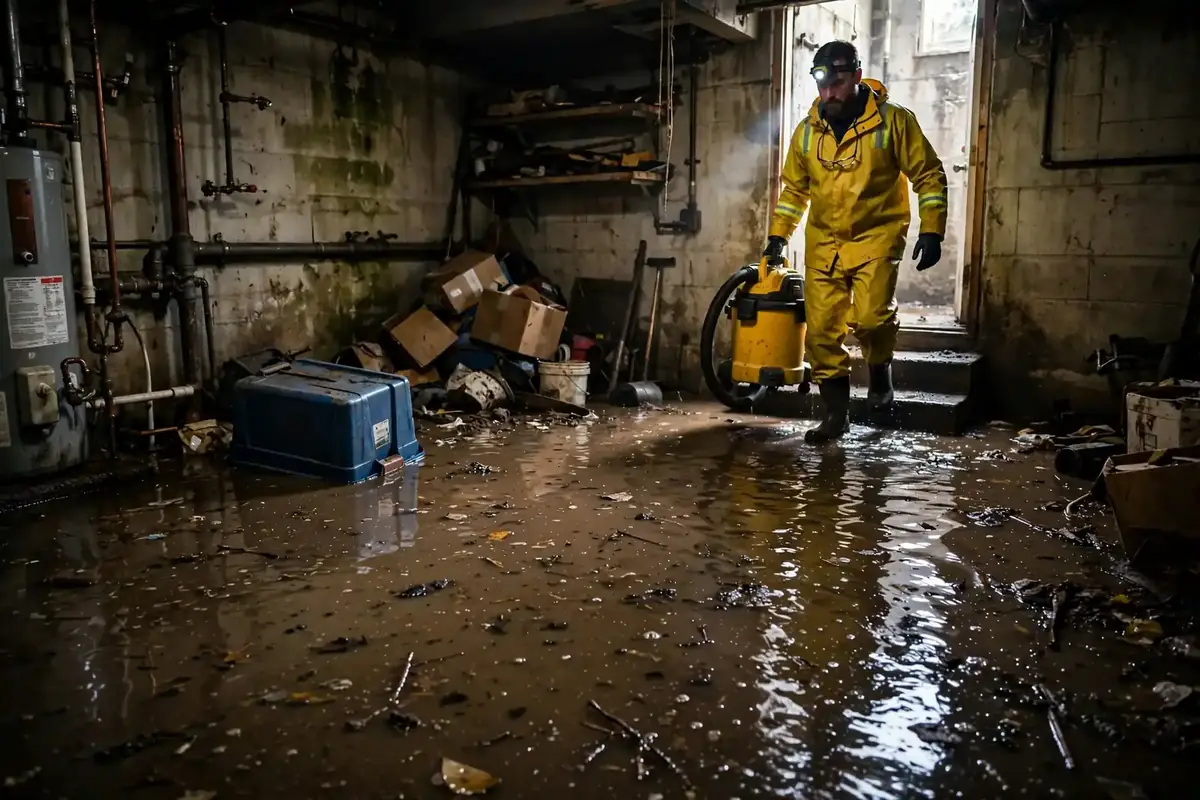
Sewage is coming up through a drain it should be going down. That moment — the gurgle, the smell, the water rising in the shower when the toilet flushes — is when a sewer problem becomes a sewer emergency. What you do in the next hour matters more than anything else, and knowing what happens after you call removes the worst part of the crisis: the not-knowing.
This guide walks through emergency sewer repair from the homeowner's side: the call, the arrival, the stabilization, the diagnosis, and the path from crisis to permanent fix. Our emergency line — (833) 713-2101 — is answered around the clock, because sewer emergencies do not observe business hours.
The First Hour: What To Do Before We Arrive
Stop running water. Every gallon you send down adds to the backup — no laundry, no dishwasher, no showers, and minimize toilet flushing. If sewage is actively entering the home, avoid the affected areas: sewage carries bacteria and pathogens, and standing wastewater is not a cleanup you do with a mop and optimism. Keep children and pets away.
If you know where your main cleanout is, note it — the specialist will ask. If water is rising near electrical outlets or appliances, cut power to the affected area from the breaker panel if you can do so safely and without walking through water. Then call. Describe what you see: which fixtures are affected, whether it is all drains or one, any gurgling, any odor, and when it started. That description shapes what equipment rolls to your door.
The Call: What We Ask and Why
The emergency coordinator asks targeted questions, not small talk. Address and callback number first. Then symptoms: which fixtures, how fast it is progressing, whether sewage is entering living spaces. Then history: previous backups, known root problems, recent heavy rain, any recent plumbing work. Each answer narrows the likely cause — a whole-house backup during a nor'easter suggests a different problem than a single slow bathroom sink.
You will get an honest arrival window and instructions for the wait: keep water use stopped, stay out of affected areas, and what to do if conditions worsen. For active sewage entry, dispatch is immediate. For urgent-but-stable situations — slow drains across the house, gurgling, odor without backup — the visit is prioritized same-day.
Arrival and Stabilization
The specialist's first job is not diagnosis — it is stopping the damage. That usually means opening the main cleanout to relieve pressure and give the backed-up wastewater somewhere to go, or clearing the immediate blockage enough to restore basic drainage. Stabilization comes before the camera, because a line actively flooding a basement needs flow restored before it needs filming.
Expect protective equipment, containment thinking, and a calm sequence: assess, relieve, contain. The specialist will tell you plainly what is happening as it happens — no jargon, no upsell, just the situation and the next step. Only when the immediate crisis is controlled does the visit shift to diagnosis.
Diagnosis: The Camera Goes In
Once flow is restored or the situation is stable, the camera survey begins. This is the step that separates a permanent fix from a recurring nightmare: the footage shows whether the emergency was a simple blockage, a root mass, a grease choke, a collapsed section, or a combination. In Beverly's housing stock, emergency calls frequently reveal clay joints packed with roots or Orangeburg that finally gave way — conditions a simple cleaning cannot permanently fix.
You watch the footage with the technician. Every defect is explained in plain language, located by distance and depth, and the options are laid out with honest urgency ratings: what must happen now, what should happen soon, what can wait. The emergency visit often ends with the line flowing and a scheduled return for the permanent repair — stabilization today, solution this week.
From Emergency to Permanent Fix
Most emergencies resolve into one of three paths. A simple blockage — wipes, grease, debris — clears with professional cleaning and needs only a maintenance plan to prevent recurrence. Structural damage — root-destroyed joints, collapsed sections, deformed Orangeburg — needs lining, bursting, or replacement, scheduled promptly before the next backup. A combination — clearing today, repair next week — is the most common outcome.
The permanent fix is quoted in writing after the camera survey, never before. You will know the method, the timeline, and the warranty terms before authorizing anything. And the final step of every emergency-originated job is the same as any other: a post-repair camera inspection proving the line is sound, so the crisis does not repeat.
Related reading
Frequently Asked Questions
Is a sewage backup dangerous to my health?
Yes — sewage carries bacteria, viruses, and parasites. Avoid contact with backed-up wastewater, keep children and pets away from affected areas, and do not attempt cleanup of significant contamination yourself. Professional sanitization is part of proper recovery. If sewage is entering your home now, call (833) 713-2101 immediately.
Should I try to clear it myself first?
For a single slow fixture, a plunger is reasonable. For multi-fixture backups, gurgling across drains, or any sewage entry — stop. Chemical drain cleaners damage pipes and create hazards for the technician; rental snakes can punch through fragile old pipe. The emergency call is the right first move.
How fast can someone get here?
Active sewage emergencies get immediate dispatch across our 22-community service area — Route 128 and local corridors put every town within quick reach. You will get an honest arrival window on the call, not a vague promise.
Will the emergency visit fix it permanently?
The emergency visit stabilizes and diagnoses — restoring flow and identifying the cause on camera. Simple blockages may resolve fully on the spot; structural damage gets a written quote for the permanent repair, usually scheduled within days. The goal is no repeat crisis.
What will the emergency visit cost?
It depends on what the situation requires — stabilization, cleaning, camera survey — which is why honest pricing follows assessment, not precedes it. You will know the cost of each step before it happens. Call (833) 713-2101 and describe the situation for guidance.
The backup happened during heavy rain. Is that related?
Often yes. Inflow and infiltration — stormwater entering the sewer through defective joints, or overwhelmed municipal capacity — cause rain-correlated backups. The camera survey distinguishes a line problem from a capacity problem, and the fix differs accordingly.
Sewer Line Problems Don’t Wait. Neither Should You.
Call now and reach a local sewer line specialist serving Beverly, MA and nearby North Shore communities — 24/7.
(833) 713-2101Free to call · No obligation · 24/7 emergency line