
Sewer Line Easements Explained
Sewer easements in plain language: finding them, the rights they create, how they shape repair work, and what they mean when you buy or sell.
- Practical guide
- Local specialists
- Camera first
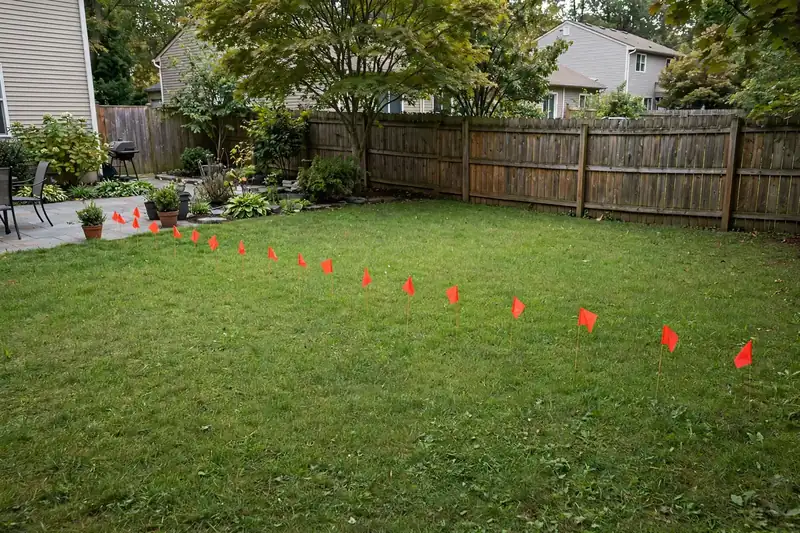
Your sewer line may cross land you do not own — or your neighbor's line may cross yours. The legal instrument that makes this possible is the easement: a recorded right to use someone else's land for a specific purpose, in this case the sewer pipe buried beneath it. Easements are invisible until they matter, and when they matter — a repair, a dispute, a sale — they matter enormously.
This guide explains sewer easements in plain language: what they are, how to find them, what rights and duties they create, and how they shape repair work. It is general information, not legal advice — for disputes, consult a Massachusetts real estate attorney — but every homeowner with a buried line should understand the basics.
What an Easement Is
An easement is a non-possessory interest in land: the right to use another's property for a defined purpose without owning it. A sewer easement typically grants a utility, municipality, or neighboring property owner the right to install, access, maintain, and repair a sewer line across a strip of your land — the “easement area” or “easement corridor.” You still own the land; you simply cannot use that strip in ways that interfere with the sewer.
Easements come in flavors. Utility easements serve the municipal system — the town's right to access its mains. Private easements serve a neighbor's line crossing your lot, or yours crossing theirs — common where lots were subdivided after the sewer was laid. Prescriptive easements can arise from long, open, continuous use without permission — the legal system's way of recognizing facts on the ground. Each carries different proof requirements and different practical consequences.
How to Find Your Easements
Start with your deed and title records — recorded easements appear in the chain of title, often with a plan showing the corridor's location and width. Your municipality's engineering or public works department holds records of utility easements for municipal mains. A survey of your property should show recorded easement corridors; if you are buying, the title search and survey are where easements surface before they surprise you.
Unrecorded reality also matters: the camera-and-locator survey of your actual line shows where the pipe physically runs, which occasionally differs from where the paperwork says it runs — lines laid decades ago under handshake agreements, or shifted by undocumented repairs. When the physical line and the recorded easement disagree, that discrepancy itself becomes the legal question, and documentation of both is the starting point.
Rights and Duties on Both Sides
The easement holder — the neighbor whose line crosses your yard, or the town accessing its main — has the right to enter the corridor for installation, inspection, maintenance, and repair, and the duty to restore the surface afterward and to act within the easement's scope. The landowner retains ownership and ordinary use of the corridor — lawn, garden, driveway — but cannot build structures, plant deep-rooted trees, or otherwise obstruct access over the line.
Friction points are predictable: a landowner who paves over the corridor and then objects to the repair crew cutting it; an easement holder whose “maintenance” exceeds the easement's scope; disagreements about restoration quality. Most are resolved by reading the actual easement language — width, purpose, restoration duties — which is why locating the recorded document precedes arguing about it.
Easements and Repair Work
When a line in an easement needs work, the easement answers the threshold questions: who may authorize the repair, who pays, and who restores the surface. For municipal mains in utility easements, the municipality typically owns the repair. For private laterals crossing a neighbor's lot under a private easement, the line's owner usually bears the repair cost — but access rights, notice requirements, and restoration standards come from the easement's terms.
Trenchless methods shine in easement corridors: lining or bursting a line under a neighbor's yard without trenching it preserves the relationship along with the landscape. Whatever the method, the professional sequence is documentation first — the camera survey locating the line within the corridor, the easement terms reviewed, notice given as required — then the work. Surprising a neighbor with excavation equipment is a legal and interpersonal failure at once.
Easements in Property Transactions
Buyers: the title search reveals recorded easements, but the camera inspection reveals the physical line — get both. A sewer line crossing the lot you are buying, or your prospective line crossing the neighbor's lot without a recorded easement, are facts that affect value, insurability, and future repair logistics. Sellers: disclose known easement issues; the camera footage from your maintenance history is a disclosure asset.
For new construction or additions near an easement corridor, check setback and building restrictions before designing — building over a sewer easement invites compelled removal later. A pre-construction camera-and-locator survey marking the actual line path is cheap insurance against designing a structure atop someone else's access rights. When in doubt at any stage, the sequence is: records, survey, attorney — in that order.
Related reading
Frequently Asked Questions
Can my neighbor stop me from repairing my line across their yard?
If a valid easement grants access for maintenance and repair, generally no — that access is the easement's purpose. Without a recorded easement, the situation is murkier and may need legal resolution. The recorded document's language controls; locate it before the dispute escalates.
Who pays when a line in an easement needs replacement?
Typically the line's owner pays for the lateral's repair, while the municipality handles its mains — but easement terms, local ordinances, and the specific facts can shift this. The camera survey establishes whose line it is and where the defect sits; the paperwork establishes who pays.
Can I build over a sewer easement on my property?
Effectively no — structures that obstruct access violate the easement and can be ordered removed at your expense. Ordinary landscaping and lawn are fine; buildings, deep foundations, and deep-rooted trees over the corridor invite trouble. Check the easement's width and terms before planning anything.
What if there is no recorded easement but the line has crossed for decades?
Long, open, continuous use can create a prescriptive easement under Massachusetts law — but proving it requires meeting specific legal elements. Document the history, get the line located and surveyed, and consult a real estate attorney rather than assuming rights in either direction.
Do easements affect my property value?
They can, modestly — a corridor that limits building area or brings maintenance access across the yard is a real encumbrance buyers weigh. Documented, well-maintained easements with good neighbor relations affect value far less than disputed or mysterious ones. Transparency is the value protector.
How do I get an easement for a new line crossing a neighbor's lot?
By negotiated agreement, recorded properly — defining the corridor, the rights granted, restoration duties, and compensation. Have a real estate attorney draft it; handshake sewer agreements are how the next generation's disputes are born.
Sewer Line Problems Don’t Wait. Neither Should You.
Call now and reach a local sewer line specialist serving Beverly, MA and nearby North Shore communities — 24/7.
(833) 713-2101Free to call · No obligation · 24/7 emergency line