
Sewer Backup Insurance Coverage Guide
The endorsement most homeowners learn about too late: what water backup coverage includes, what it excludes, and how claims actually work.
- Practical guide
- Local specialists
- Camera first
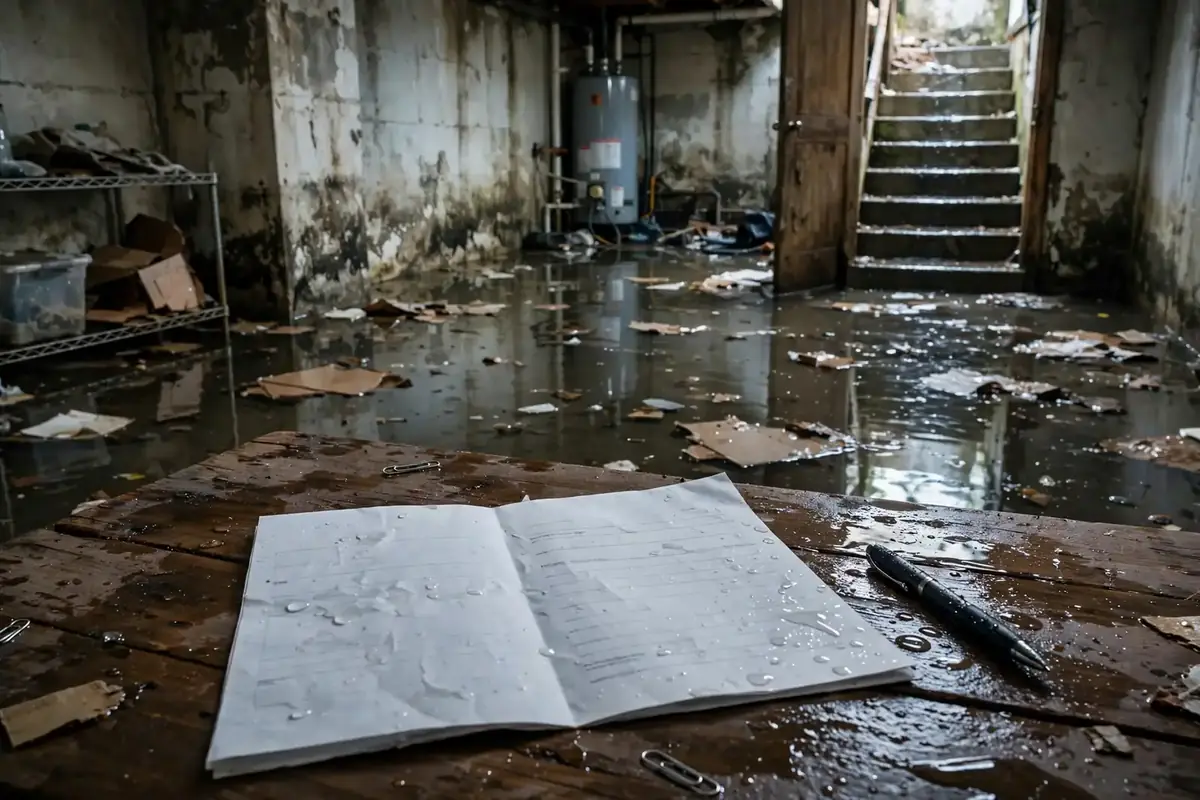
Here is the expensive surprise most homeowners discover too late: the standard homeowner's policy typically excludes sewer backup. The water rising through your basement drain — the ruined carpet, the damaged furnace, the cleanup bill — is not covered unless you added a specific endorsement. After the backup is the worst time to learn this.
This guide explains how sewer backup endorsements (sometimes called water backup coverage) work: what they cover, the exclusions that matter, how limits and deductibles apply, and how a claim actually proceeds. It is insurance education, not advice — your policy's language governs — but every Beverly homeowner with a basement should understand these mechanics before the nor'easter.
The Standard Exclusion
Standard HO-3 homeowner's policies cover sudden water damage from burst pipes inside the home — but they exclude water that backs up through sewers or drains, or overflows from a sump. The exclusion exists because backup risk correlates with infrastructure age and maintenance, which insurers prefer to price separately. The result: without an endorsement, a sewer backup is an out-of-pocket event, from the cleanup through the repairs.
Flood insurance does not fill this gap either — the National Flood Insurance Program covers rising external floodwater, not water backing up through your own drains. The endorsement is the specific instrument for this specific risk, and it must be added deliberately.
What the Endorsement Covers
A water backup endorsement typically covers damage caused by water backing up through sewers, drains, or sump-pump overflow: damaged flooring, walls, personal property, and the cost of professional cleanup and sanitization. Some versions also cover the sump pump itself or the cost to tear out and replace damaged building materials. Coverage applies per occurrence up to the endorsement's limit — commonly offered in ascending tiers of coverage — with its own deductible.
Read the limit against your exposure. A finished basement with a home theater represents a different loss than an unfinished utility basement — and the endorsement limit should reflect the actual value at risk below grade. The incremental premium for higher tiers is usually modest compared with the coverage gap it closes.
The Exclusions That Matter
Endorsements have their own exclusions, and three deserve attention. Neglect and maintenance: damage from a line the owner knew was failing — documented root intrusion ignored for years — can be contested. Maintenance records, including camera inspections, become claim evidence. The line repair itself: most endorsements cover the resulting damage, not the cost of repairing the sewer line — the pipe replacement is typically still yours. Mold: secondary mold from delayed cleanup may be limited or excluded; prompt professional remediation protects both the home and the claim.
Note the maintenance thread: insurers distinguish sudden backup from long-neglected failure. A homeowner with inspection records and a maintenance history claims from a position of diligence; one with years of ignored symptoms does not. The camera inspection is claim armor as well as diagnostics.
How a Claim Proceeds
After a backup: document everything before cleanup begins — photos, video, a written timeline. Mitigate further damage (stop water use, protect undamaged property) without destroying evidence. Notify the insurer promptly; most policies require timely notice. An adjuster inspects, the endorsement's terms apply, and covered losses are settled up to the limit minus the deductible.
Two practical notes. First, the cause determination matters: the adjuster will want to know why the backup happened, and a professional diagnosis — the camera footage showing the blockage or failure — supports the claim far better than speculation. Second, keep every receipt: emergency service, cleaning, repairs, and any emergency stabilization costs document the loss completely.
Sizing Your Coverage Before You Need It
Review your policy now — not during the storm. Confirm whether a water backup endorsement exists, what its limit is, and what deductible applies. Walk your basement and estimate the value at risk: flooring, mechanicals, stored property, finished space. If the limit does not cover a realistic loss, raise it; the premium difference between tiers is typically small.
Then reduce the risk itself. A camera inspection establishes your line's condition; a maintenance plan addresses root intrusion and buildup before they become claims; a backwater valve — which your installation specialist can advise on — can prevent municipal-side surges from entering at all. Insurance and maintenance are complements: the endorsement covers the loss, the maintenance prevents it.
Related reading
Frequently Asked Questions
Does my standard homeowner's policy cover sewer backup?
Almost certainly not — standard policies exclude water backing up through sewers or drains. You need a specific water backup endorsement added to the policy. Check your declarations page or ask your agent; do not assume.
How much coverage should I carry?
Enough to cover a realistic basement loss: flooring, mechanical equipment, stored property, and professional cleanup. Coverage is commonly offered in ascending tiers — estimate your below-grade exposure and choose the tier that covers it, since the premium step-up is usually modest.
Will the endorsement pay to repair my sewer line?
Typically no — endorsements cover the resulting damage (cleanup, ruined property, repairs to the home), not the pipe repair itself. The line replacement remains the owner's cost, which is another reason early inspection and maintenance pay.
Can a claim be denied for poor maintenance?
It can be contested. Insurers distinguish sudden events from long-neglected failures — documented maintenance, including camera inspections and cleaning records, demonstrates diligence. Keep your sewer maintenance records the way you keep your roof records.
Does flood insurance cover sewer backup?
No. Flood insurance covers rising external floodwater; sewer backup through your own drains is a different peril requiring the backup endorsement. The two coverages address different water arriving by different paths.
What should I do immediately after a backup?
Document everything (photos, video, timeline), stop water use, protect undamaged property, and notify your insurer promptly. Then call (833) 713-2101 for professional diagnosis — the camera footage establishing the cause supports both the repair plan and the claim.
Sewer Line Problems Don’t Wait. Neither Should You.
Call now and reach a local sewer line specialist serving Beverly, MA and nearby North Shore communities — 24/7.
(833) 713-2101Free to call · No obligation · 24/7 emergency line